Right after moving into a new flat, staring at a long list of things to buy, I did the most useful thing I could think of and asked my friends and family what they actually used most at home, category by category. Their answers were gold. A handful of trusted, battle-tested recommendations saved me money, saved me time, and spared me a couple of purchases I would have regretted, and I still rely on some of them today.
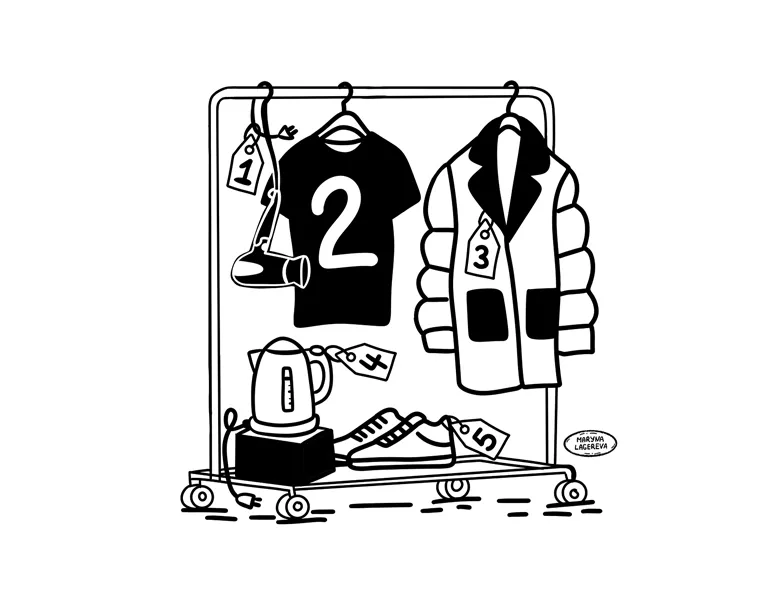
5Essentials is that reflex turned into a platform: everyone’s five true essentials, in every category, one place to find them. Kitchen, cleaning, a first apartment, a desk. Five, not fifty. Quality over quantity, fewer but better things, less overconsumption.
The public side is a vote. People post a five, other people agree or they do not, and the items that keep showing up rise. The private side is the one I actually wanted when I moved: your mother’s kitchen five, your friend’s office five, a list you can ask for and keep.
I still use some of those answers. That is the bar. A list that looks clever and gets replaced in six months is a blog post. A list you are still cooking with is the product.
Market & Opportunities
People are already trying to buy fewer things and waste less money on the third spatula. The internet answers that itch with ten “best of” roundups that all link the same affiliate toaster. A shortlist from someone you trust is a different product.
Anyone staring at an empty flat shows up first, along with anyone who is tired of replacing junk. The money comes later, from a membership for people who live in the lists and from brands who want a clearly marked sixth slot under a community five, never inside it.
I will not hang a global e-commerce figure on this. The relevant market is “I need a kettle and I do not want to read forty reviews.” Amazon already sells the kettle. 5Essentials tells you which kettle your people kept.
This is not for the person who wants a store. They have one. It is also not a sustainability lecture. If fewer, better things happen to waste less, good. I would not sell the site as a movement. I would sell it as a shorter shopping list.
Key Features
- Paste a link, then correct it. A URL should fill the name, the photo, and the price. Retailer pages are messy, so a human edit is part of the design, not a failure.
- Public fives, with votes. One category, five items, a score. The five is the product. A sixth item that is an ad is labeled as an ad, or it does not exist.
- Private lists. Share with family and friends the way I asked around my move. This is not a worse Pinterest. It is a short answer from people who will still be in your kitchen next year.
- Search that stays narrow. Category, price band, a brand if you must. Not a marketplace homepage.
- Rot and honesty. Broken links, dead products, and lists that look bought get a queue. Votes get gamed. Design for that on day one.
I would not ship a mobile app as a feature. A site that works in a shop browser is enough. Native can wait until someone is standing in an aisle and refusing to leave.
Monetization
Free to read the public fives and to keep a couple of private lists. A small membership can unlock more lists, a history of what you asked, and an ad-free page if ads ever exist, which I would rather they did not.
Sponsored products sit in a sixth slot, labeled, capped, and still allowed to lose the community vote. If a brand cannot live under the five, it does not belong here.
Affiliate commissions can pay the lights, through a network, not through a side door where the five suddenly tilts toward whoever pays more.
I have watched too many owners drift from the mission to push whatever pays them. That drift is the one thing this site cannot survive.
I would not sell individual shopping profiles as “insights.” Aggregated, boring trends, maybe, much later. Day one is lists.
Next Steps: How I’d Build It
The hardest part is the data, not the voting UI. “Paste a link and everything fills in” sounds trivial but retailer pages are messy, and scraping them can run against a store’s terms of service. Realistically you start with two or three retailers whose product feeds or affiliate APIs you are allowed to use, and let users correct the rest by hand.
Then there is the cold-start problem. A community shortlist is worthless with no community. Seed the first lists yourself in a handful of categories you know well, so the site is useful on day one for a visitor who contributes nothing.
Finally, budget for moderation from the start. Votes get gamed, links rot, and sponsored slots invite abuse. A small manual review layer on top of automated checks is cheaper to design in early than to bolt on after launch.
The first test is selfish and small. Recreate the lists I got from family when I moved, in public, and see whether a stranger adds a sixth item I would actually buy. If they do not, you have a pretty empty grid. If they do, add private lists next, then the sixth slot, then membership.
Start with three categories you can defend without a search: a first kitchen, a cleaning cupboard, a desk. If those three cannot stay useful for a month, twenty categories will not save you. I would rather a small site that is right about pans than a taxonomy of lifestyle.
Bonus: the abuse that shows up first
Email plus a rate limit is enough identity for a list of kitchen gadgets. Full ID verification is overkill and a data-protection headache. Fake accounts will still show up. Make posting a five slightly slower than posting a comment.
A report button that reaches a person is enough misuse policy for launch. Spam lists, bought votes, and a brand sneaking into the five are the cases that matter. Write those three on a short rules page and enforce them. The rest of the trust-and-safety laundry can wait.
Closing
5Essentials comes down to five things from people you trust, and a public vote for everyone else. I once held a domain for this one and have let it go, so the name is free, and so is the idea. If you are serious about building it, get in touch anyway. I would love to compare notes.
I would rather a small, slightly stubborn site than a recommendation engine that discovered a sixth monetization. If the five starts to look like a storefront, you have lost the move-in conversation that started this. Five items. People you trust. That is the site, and it is already more useful than another roundup.
If you build this, tell me. And if you do, I would love a free account to review it, and to feature the real thing, with honest notes, in a future article.