When the first AI chatbots arrived, my friends and I turned them into a competition: who could pull the best, strangest, most useful answer out of the machine. We never had a way to actually compare or verify anything, the conversations lived and died in our own accounts, and the contest stayed a running joke between us. GPT Roulette is that game, built for real. It gathers the strange, funny, and useful exchanges people have with AI in one public feed you can scroll, vote on, and argue about.
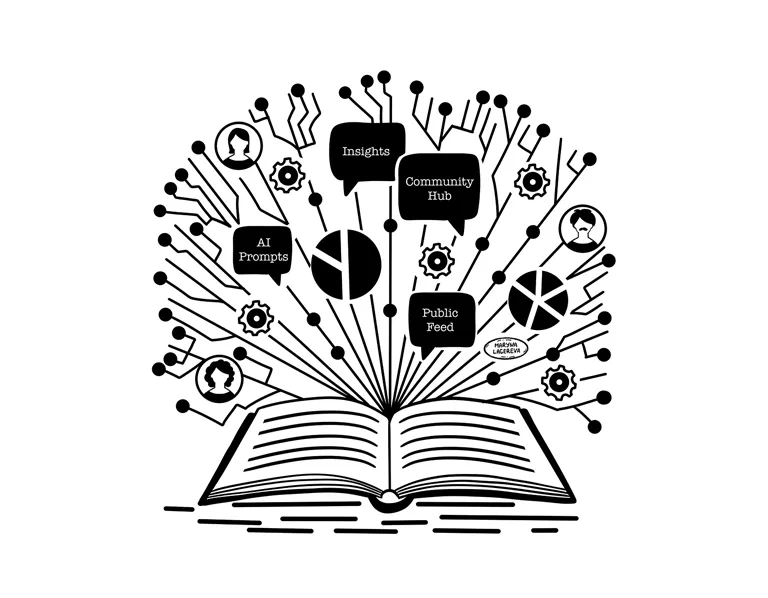
You pick a conversation worth showing, hit the big red “Roulette” button, and it lands in the public feed. In return you gain access to what everyone else has contributed. You browse the stream, upvote the best ones, and see posts grouped by topic.
How does sharing work? There is no magic pipe into your account, because OpenAI does not offer a way for a third-party app to pull your ChatGPT history. So sharing works the way it realistically can. Either you paste a conversation (or use ChatGPT’s own “Share link” and drop that in), or you upload your official ChatGPT data export and pick the threads you want public. A little more friction, but no fantasy API, and no app quietly holding the keys to your whole account.
The fun is the product. A public pile of real conversations is also, if people opt in, a way to see how humans actually talk to these models: the prompts that work, the ones that fail, the jokes, the dead ends. I care about that pile. I do not need a speech about democratizing AI to justify a good feed.
What I wanted in that old contest, and never had, was a third person in the room who had not written either prompt.
A friend will laugh to be polite. A stranger with a vote will not.
That is why the site is public, and why anonymous posting still needs an account behind it. Without that tension you get a museum of people clapping for themselves.
Market & Opportunities
People are already having the conversations. They are not already sharing them, except as screenshots in group chats. The gap is a place with structure, votes, and a rule that the author chose this thread, not a scraper.
The first to show up are the same people who already trade prompts, the ones who would have joined our old contest. Researchers and teachers are a later audience, and only if the pile is clean. I will not hang a global AI-market figure on this. The relevant market is “people who want to show a chat to a stranger and not look like they leaked their job.”
There is already a graveyard of prompt galleries. Most of them are one-liners with a like button. A conversation is longer, messier, and more honest. You see the dead end, the retry, the moment the model got it. That length is the product and the moderation problem at the same time. If you compress every thread into a prompt snippet, you have rebuilt the graveyard.
Threads about who jailbroke the model this week can live somewhere else. This feed is for the useful, the strange, and the ones that made a friend say “wait, show me that again.”
Key Features
- Import by hand. Paste, official share link, or a picked thread from your export. Nothing else ever leaves the account.
- Review, trim, confirm. You see the thread, you cut what should not be there, you press Roulette once. No “share everything” button.
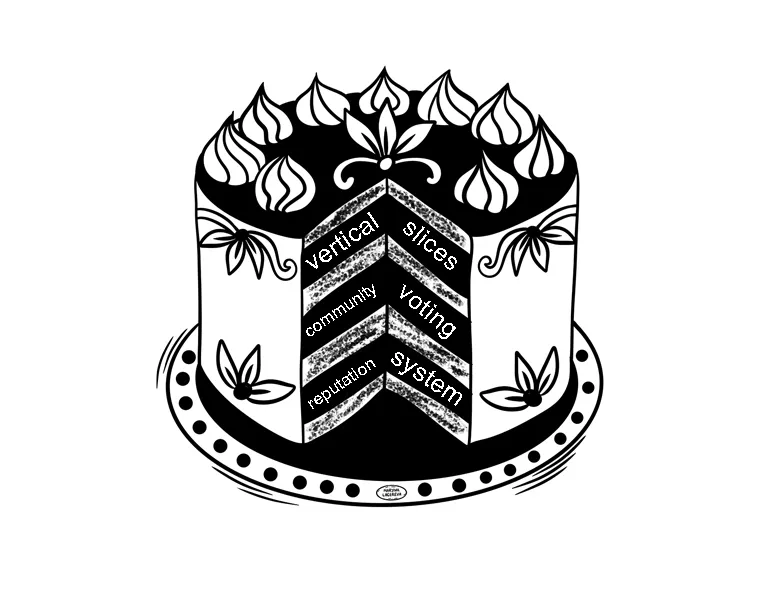
- A public feed with votes. Newest, best, or by topic. Comments allowed. Downvotes too. A feed that cannot sink a bad post will fill with them.
- A name, or none. Post as yourself or anonymously. Anonymous still has an account behind it, or the spam wins.
- Remix. Fork a thread and keep going. The original stays. This was the feature hiding in my old notes, and it is the one that makes the site a workshop instead of a museum.
- Aggregates, never the raw pile for sale. Public trend boards if you want them. Researcher exports only as anonymized, opted-in aggregates. Raw conversations are not a product.
Monetization
The feed stays free. A small subscription can unlock saved collections, extra remix slots, and the thicker trend board. Sponsored posts are a trap in a vote-ranked feed; I would not start there. Selling the dataset is allowed only in the aggregate form above, and I would rather the site be slightly poorer than slightly for sale.
A word on what is inside a conversation
This is the part that has to be handled with care, not as an afterthought. People put real things into AI chats: names, employers, medical worries, other people’s secrets, code from work. Making any of that public is not a moderation edge case, it is the core risk. At minimum the app should scan for and strip obvious personal data before a post goes live, default to sharing single threads rather than “your entire history”, and never publish anything without an explicit, per-conversation confirmation. “Share your whole chat history in one tap” is a feature I would cut on purpose.
The rest of trust-and-safety is ordinary and still required: a rules page, a report button, a human queue, age gates for the ugly threads, and a way to delete what you posted. Ordinary does not mean optional.
Next Steps: How I’d Build It
A weekend: paste-in, trim, Roulette, a chronological feed, votes. No export parser yet, no remix, no analytics. If ten people from a single community will post a real thread and come back to read someone else’s, the idea has a pulse. Then the export picker, then remix, then the aggregates.
The wall is not the stack but getting anyone to publish a chat they were not already going to screenshot. Start inside one scene (prompt-traders, a class, a Discord) rather than “the AI internet.”
I would also write the import screen as if a lawyer were standing behind the user. Label the paste box. Label the official export. Say, in one sentence, that OpenAI does not let a third-party app pull history, and that this is why the import works by hand. If that sentence scares people off, they were never going to post a real thread anyway. The ones who stay will treat the trim step as part of the craft, which is what you want.
Closing
GPT Roulette is the contest my friends and I never had a board for, plus a public pile that only exists if each author meant to add to it. The red button is a joke with a rule behind it. You only spin what you were willing to show.
If the feed fills with safe, empty threads, kill the leaderboard and start over in a smaller room. If it fills with real ones, the research layer can wait. Fun first, aggregates later, never the other way around.
If you build this, tell me. I would be glad to review it, and to update this article with a link once it is live. You owe me nothing, just tell me how it goes.