This one started on my bookshelf. I keep a mental list of books I love that deserve to be far better known than they are, the ones you press into a friend’s hands saying trust me. And I kept noticing where readers actually are now. They are in their ears. Audiobooks are how a huge share of people consume books today, on commutes, on runs, while cooking. For a book I love, not existing in audio increasingly means not existing at all for a whole population of potential fans. In 2023 that observation turned into a project called Want2Hear, a community platform where readers would vote for the books they wanted turned into audiobooks. I liked it enough to buy the domain, want2hear.io.
I no longer own it. I let it expire, which tells you how far I got. But the idea refused to expire with it, mostly because the world changed around it in a way that makes the corrected version better than the original.
The premise that dissolved
The 2023 version rested on scarcity: narration was expensive, audio catalogs were a bottleneck, and a big enough pile of votes might convince a publisher to greenlight a recording. Then AI narration arrived like a tide. Apple shipped AI-narrated books, Audible opened virtual-voice narration to self-published authors and synthetic titles flooded in by the tens of thousands, and the cost of turning text into audio collapsed toward zero. The question my platform wanted to influence, “will this book get an audiobook?”, is quietly becoming “yes, a robotic one, by default.”
A voting wishlist to trigger conversions makes little sense when conversion is free. If I had built Want2Hear as designed, the tide would have drowned it. So the right move is the one this site exists for: publish the idea with its flaw named, and with the pivot that survives it.
What actually remains scarce
Two bottlenecks survived the tide, and they are the real product. The first is rights. An enormous number of books have no audio edition not because nobody wants one, but because no audio deal was ever signed. Demand that is visible and aggregated can unlock decisions that individual emails never will. The second is human narration, the thing the tide itself made precious. A great narrator is a performance (casting, pacing, character), and precisely because synthetic voices became abundant, the human version became the premium object. The scarcity did not disappear. It moved.
And there is a structural flaw in voting itself that my 2023 notes ignored. Votes are free, and free signals are ignorable. No publisher finances a recording because a webpage counted upvotes. The fix is as old as commerce. Do not ask people what they want to hear. Ask them what they will pay to hear.
The pivot: pledges, not votes
Want2Hear, corrected, is a crowdfunding platform for human-narrated audiobooks. Instead of upvoting a book, you pledge to pre-buy its audiobook, with the money escrowed and charged only if the campaign succeeds. When a title crosses its threshold, the platform arrives at the rights holder’s door not with a petition but with a firm order book: a thousand confirmed buyers, funding secured, narrator shortlist attached. Demand stops being a survey and becomes an argument no spreadsheet can wave away.
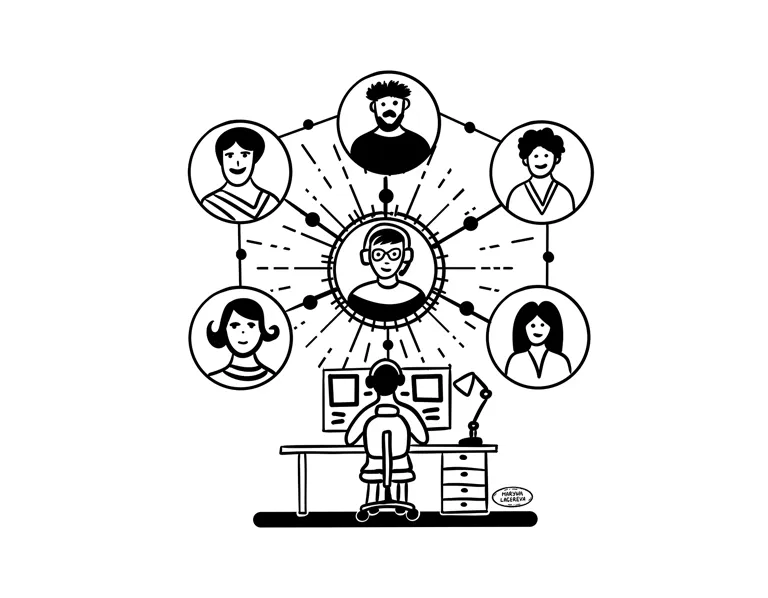
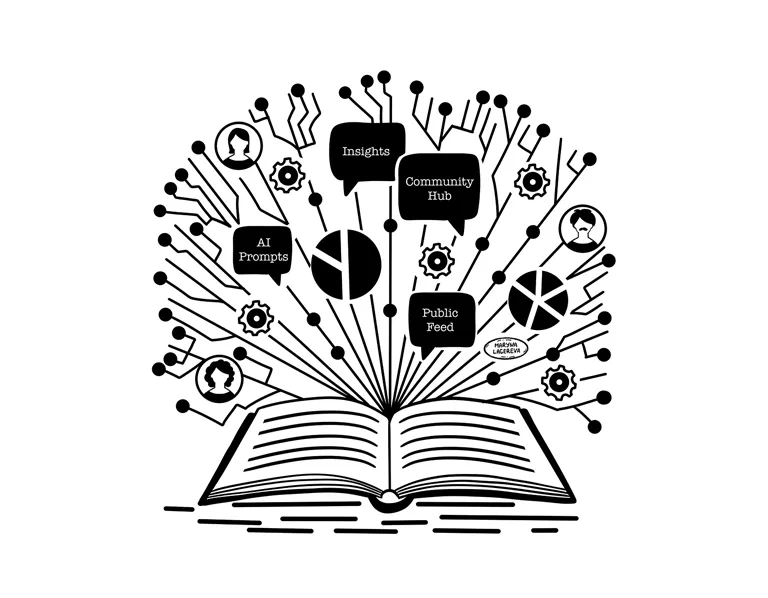
Around that core, the community layer my original notes wanted finally earns its place. Readers champion the overlooked books they love, which was my founding itch. And they fan-cast the narrator, “who should read this book?”, which is both a delicious community game and a useful casting signal. The positioning writes itself in one line: in a world where every book gets a robot voice for free, the thing worth funding is the human one.
The graveyard, briefly
Free-signal versions of this idea already exist and already prove the point by failing at it: suggestion boards, endless Goodreads lists, request threads on forums, all shouting into the void, because none of them attach money to the wish. Meanwhile, individual authors have repeatedly crowdfunded audiobook editions of their own books, campaigns that worked precisely because backers paid rather than voted. The model is validated at the level of single campaigns, but nobody has generalized it into a standing platform where the community, not the author, starts the campaign. That gap is the whole opportunity.
Key Features
- Pledge campaigns with escrow. Pre-orders, not donations: pay only if the audiobook actually gets made, receive the audiobook when it ships. Thresholds are public and honest about what professional narration costs.
- Two-stage campaigns. Stage one is a free demand signal anyone can start for any book. Stage two, where money moves, opens only when the rights holder opts in, because collecting pledges for something you have no right to deliver is how platforms die in court. The stage-one heat map is itself the tool that recruits rights holders.
- Narrator fan-casting. Communities propose and vote on narrators; narrators can claim a profile and signal interest. Casting becomes part of the campaign’s story, and a beloved narrator attached to a campaign is rocket fuel for pledges.
- A home for the overlooked. Ranking and discovery deliberately favor the underexposed: the cult favorite, the untranslated gem, the out-of-print classic. Bestsellers do not need this platform; that is the point of it.
- Rights-holder dashboard. For publishers and indie authors: see aggregated demand for your catalog, open a campaign in a click, keep the relationship with your audience direct.
The honest tensions
Rights are the hard part, and the two-stage design only manages the problem without dissolving it. A rights holder can always say no, or worse, say nothing, and a passionate stage-one campaign that never gets its stage two will frustrate the exact community the platform depends on. Expectation-setting has to be built into the interface, because a pledge page is a request, not a promise.
The economics are unforgiving. Professional narration of a full-length book costs real money, so thresholds will sit in the thousands, not the hundreds, and many campaigns will fail. That is fine (Kickstarter’s whole history says a platform survives failed campaigns), but only if failure is cheap and transparent for backers.
And the AI question deserves a straight answer. Plenty of listeners are perfectly happy with a synthetic voice, and this platform is not for them, which is fine. It serves the subset who hear the difference and will pay for it, the same population that buys vinyl, hardcovers, and letterpress. Every abundance creates its own premium, and Want2Hear just gives this one a checkout page.
Next Steps: How I’d Build It
Start where the rights bottleneck does not exist, with independent and self-published authors, who own their audio rights outright and can opt in with a signature. One genre community with strong audio culture (fantasy and science fiction are the obvious candidates), ten hand-picked books whose authors said yes before launch, and the first campaign run half-manually with an existing narrator marketplace handling production. The MVP is one funded audiobook, delivered, with everyone paid. That single proof recruits the next hundred authors better than any pitch deck.
Then comes the flywheel. Stage-one demand pages for beloved rights-locked books are used as evidence to bring publishers in, and the narrator community is grown deliberately, because in the long run the platform’s moat is not its code but being the place where readers, narrators, and rights holders already meet.
Closing
Want2Hear is my 2023 voting site, turned by the tide that would have sunk it into a machine that converts love for overlooked books into funded human voices. I let the domain lapse. The idea is yours now, and the name is optional too.
If you build this, tell me. I will arrive with my list of books that deserve more readers, pledges ready. And if you are a narrator or an indie author reading this, you are the supply side of something readers demonstrably want, and one of you should start it.