I am a very organized, very visual person. I remember things by where they sit, not by what they are called. This idea has felt obvious to me for years. People have sworn by the mind-palace method for centuries, memorizing by walking through an imagined building, and Liminal Archive is essentially that, except built, and the way I would want it: your notes as a space you walk through, not a list you scroll.
Plenty of tools already organize notes. None of them feel like a place.
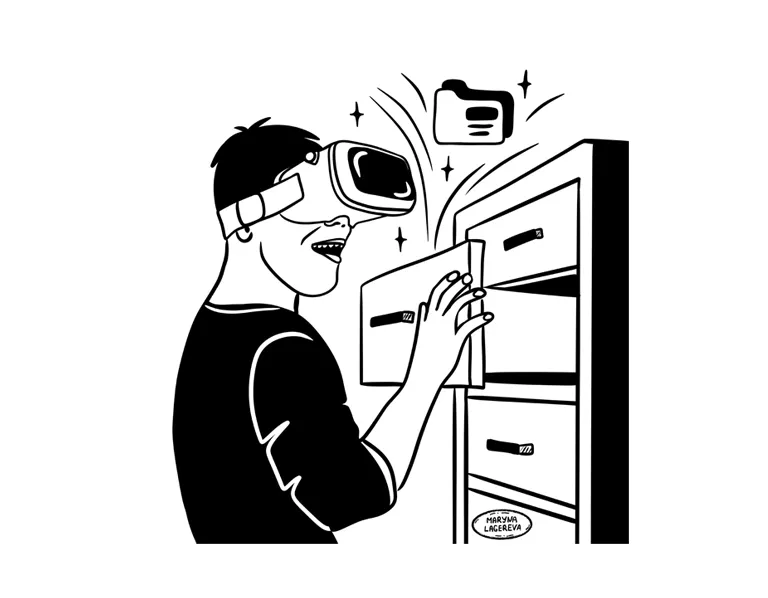
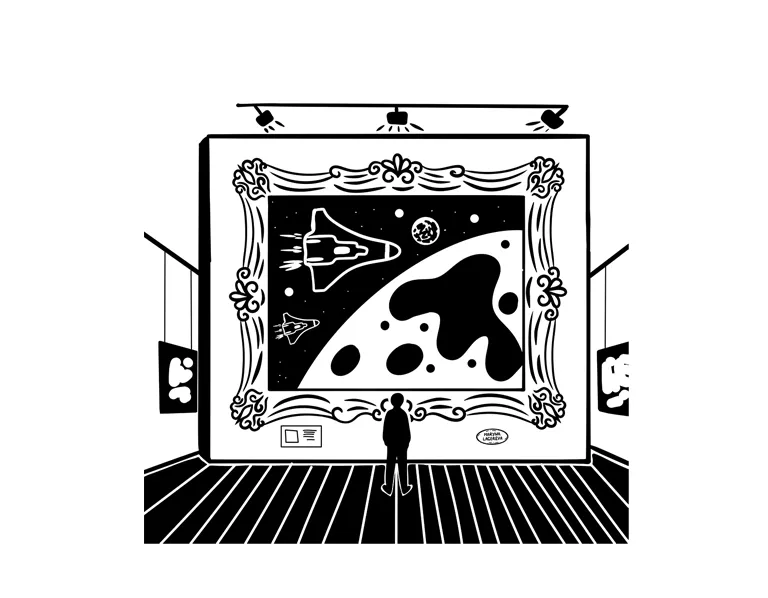
The picture is simple. Rooms, drawers, a title floating above each one: Personal Projects, Work, Novel Ideas, whatever you actually use. You put a note in a spot. You find it again by walking back to that spot. On a phone it is a map you pan. In a headset it is a room you enter. Same palace, two doors.
I have tried to fake this with folders, with tags, with a second brain that was really a third inbox. The tools were fine. My memory was not using them.
I can still picture where a page sat on a desk, and I cannot tell you what I named the file.
That is not a personality quirk I am proud of. It is the constraint the product has to respect, or it is just another outline with nicer lighting.
Design is not a coat of paint here. If the space is ugly or noisy, the metaphor dies, and you are left with a worse Notion. I care about the click of a drawer and the quiet of the room. I do not need a famous industrial designer on the poster for that to be true.
Market & Opportunities
The second-brain market is crowded: Notion, Obsidian, Roam, Heptabase and the rest already own “organize your thoughts.” Beating them on features is a losing game. The only wedge is the spatial one, and even that only works if people can try it without buying a headset.
If headsets spread the way phones did, and that is a real if, a serious spatial notes tool will have somewhere to live. Until then the buyers are people like me: visual, a bit stubborn about folders, already bouncing between a phone and a laptop, curious about VR but not ready to make it the price of entry.
Writers with a novel in pieces, researchers with a wall of PDFs, anyone who already thinks in rooms rather than in databases. Not the person who wants a faster outline. They already have one, and they are happy.
A shared palace, two people in the same room of notes, is a later chapter, not a launch promise. Useful for a small team. Easy to turn into a meeting product nobody asked for. I would wait until one person already lives in their own palace and wants to hand someone else a key. Starting with collaboration is how you build a worse Miro.
I would not sell this as wellness or as a treatment for a scattered mind. It is furniture for memory. That is enough. If a reviewer writes “mindfulness” in the App Store copy, rewrite the listing before you ship the next build.
Key Features
- A palace you arrange. Drawers, rooms, clusters. Folders and tags if you want them, but the primary act is putting a thing in a place.
- The same palace on every screen. Phone, laptop, headset. Sync is boring and mandatory. If the room on your phone is not the room in the headset, the metaphor is a lie.
- Quiet suggestions, not a copilot. Optional links between notes you already wrote. A character trait from March next to a plot twist from October, if you ask. Off until you turn it on.
- More than text. Images, PDFs, a voice note from a meeting, sitting in the same drawer as the page they belong to.
- VR as the top end, not the door. Gestures and depth for the people who have a headset. Everyone else gets the 2.5D canvas first.
Search still exists. You can type a word and jump to the drawer. The palace is not a rejection of find-in-page. It is what you use when you do not remember the word, only the corner. If search is missing, visual people will still leave. If search is the only way in, the palace was decoration.
Monetization
Free for one small palace on the web. A subscription when the palace grows, when you want history, or when you want the headset door. Team seating later, if the shared room earns it. No marketplace of “palace themes” on day one. Taste is the product, and a theme store would sell it off.
A fair price is the price of a notes app people already pay, not the price of a headset. If the VR door costs extra, say so on the free canvas, and let people refuse it forever. The product should still work for someone who will never put a screen on their face.
Next Steps: build the flat version first
The wedge is spatial, but it only lands if people can feel it before they buy hardware. If the pitch is “you will want to buy a VR headset for this,” almost nobody will try it. That is the wrong order.
So the MVP is not VR. It is a web app with a 2.5D spatial canvas, drawers and rooms you pan and zoom through on an ordinary screen, that already feels different from a list on day one. VR becomes the aspirational top end for the few who have a headset, not the price of entry. Ship the flat version and find out whether the spatial metaphor actually helps people.
The first test I would run is selfish and small. I would move my own working notes into the canvas for two weeks and see whether I stop opening the old app. If I sneak back to a list because the palace is pretty and slow, the idea is a sketch, not a product. If I start putting new notes in a corner without thinking, then, and only then, invite five other visual people in. Do not invite a headset reviewer first. They will review the headset.
Import from a markdown folder is enough for that test. A pretty empty palace teaches you nothing. Fill it with the mess you already have, then see whether the mess gets easier to walk through.
Closing
Liminal Archive is memory with an address. For now it is a palace with no bricks. I would rather walk a slightly empty room that is mine than decorate a template that looks like everyone else’s second brain. If the first version is only a canvas you can pan, with drawers that stay where you put them, that is already more than I have today.
If you build this, tell me, and give me a headset demo. I want to walk through someone else’s memory palace at least once in my life. Take the idea wherever you want, you owe me nothing.