As a freelancer, managing client communication when I take time off is a real headache. A generic out-of-office treats every contact the same, and writing a different note for each client is the job I never have time for before I leave.
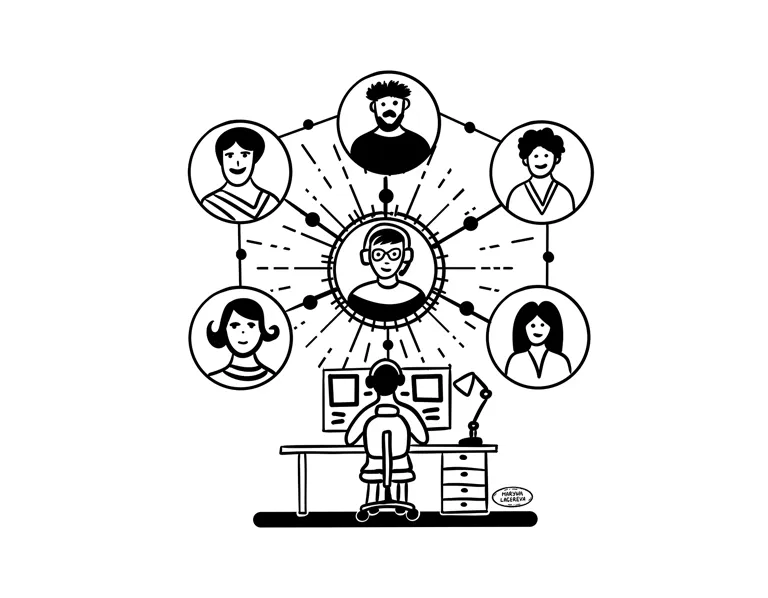
I juggle several clients and projects at once, and I want to stay professional with each of them, even when I am away for a few days. BRBMail is the app I have wanted for that: one tailored reply per contact, not one canned line for the whole inbox.
The night before I leave is always the same: I open the vacation responder, I stare at it, I write something vague, and I know the client who is mid-project will read it as a shrug. The client who can wait will get the same shrug. That is the itch. Not “email is hard.”
One person needs a date and a backup contact. Another needs “I will not see this until Monday.” The inbox does not know the difference.
Market & Opportunities
Freelancers are the obvious first users. They are not the only ones. I have worked in web agencies and in larger companies with external communication, and the same gap shows up there. When someone goes on leave, the mailbox either overshares or says nothing useful.
Agencies and small PR teams live in that gap. A publicist out for a week still owes journalists a clean, specific line. A studio with clients in two time zones still owes a reply that does not pretend everyone is in the same afternoon. I will not hang an Upwork headcount on that sentence. The demand I trust is the one I feel every time I book a few days off. I need five different messages, and Gmail will let me write one.
The first to pay is a freelancer who leaves twice a year, then a three-person shop that wants the same rules for everyone. A company that already has an IT team and a policy PDF will not pay. They have an out-of-office. They do not have this problem.
Key Features
- One message, one address. Assign a reply to a specific client. That is the product. Everything else is furniture.
- A library of your own lines. Every message you write is saved, so the next trip starts from last time, not from a blank box.
- Segments when one-to-one is too much. Clients, press, “everyone else.” Your best contacts get the specific note. The rest get a clean general one.
- A start and an end. It turns on when you leave and off when you are back. Recurring weeks if your life actually looks like that.
- Gmail first. Manage it next to the inbox you already use. Outlook can wait. A dashboard of every mailbox on earth is the vision, not the first release.
Team approval flows and “on-brand” templates can wait until a shop asks for them. A freelancer does not need a manager to sign off on “I am back Monday.”
I would also refuse to auto-write the replies with a model. The point is that I already know what to say to each person. A generated “hope you’re well” is the generic vacation responder in a nicer font. Store my lines. Send my lines. Nothing else.
Monetization
Free for a handful of contacts and one schedule. A personal plan when the library and the segments become the reason you open it. A small-team plan when two people share rules. I would not invent an Enterprise tier to look serious.
Per-email billing and lifetime licenses are cute and wrong for a tool you use twice a year. A subscription you can pause is closer to how leave actually works.
Next Steps: how I’d build it, and the one hard part
The catch is the whole premise. Gmail’s built-in vacation responder sends one canned reply to everyone (at best limited to your contacts). It cannot send a different message to a specific client. So the core feature, one tailored reply per contact, is what no mailbox does out of the box.
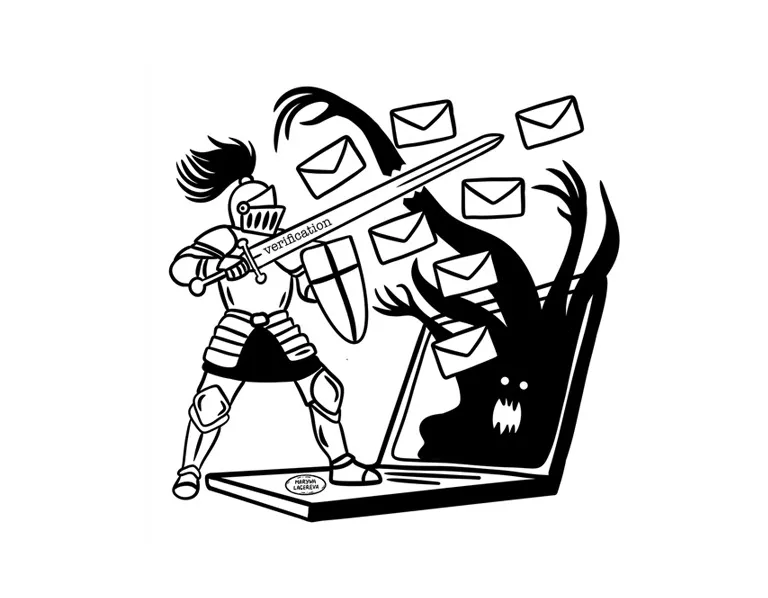
That means going through the provider’s API. On Gmail, the realistic path is a small service that watches the inbox with the Gmail API, matches the sender against your rules, and sends the right reply on your behalf. It works, but it is not a weekend hack. It needs OAuth with sensitive scopes, and Google puts apps that read mail through a security review before they can serve real users. Outlook is the same shape through the Microsoft Graph API. Deliverability matters too, since an app firing auto-replies has to stay well within rate limits or it starts to look like a spammer.
So the MVP is narrow: one provider (Gmail), per-sender and per-segment rules through the API, scheduling on top. Multi-provider “manage everything from one dashboard” is the vision, not the first release. None of this is fatal, but whoever builds it should know the per-contact auto-reply is the real work, not the UI.
The first test is selfish: my next leave, five clients, five different lines, and a sixth for everyone else. If I still open Gmail to rewrite one of them by hand, the product is not done.
Do not hide the security review from yourself. If you cannot stand in that queue, you do not have a mail product. You have a mockup. Say the scopes on the install screen in one sentence a freelancer can understand: this app reads who wrote to you, and it sends the reply you already wrote. People who leave after that sentence were never going to trust a stranger with their inbox.
Bonus: a polite way to set boundaries
There is a quieter use for this. We all have the contact who treats “out of office” as a suggestion, or the one who floods your inbox the moment you resurface. A targeted auto-reply lets you signal “not right now” without ghosting them and without rewriting the same diplomatic paragraph for the tenth time. The goal is not to dodge the work, only to keep the evening you actually booked off.
Closing
BRBMail sends one tailored reply per contact, from a library of the lines you already wrote, on a schedule that turns itself off when you come back. The hard part is the per-contact auto-reply itself, which no mailbox offers today, and that gap is what makes the idea worth building.
I would rather a narrow Gmail tool that is right about five clients than a “communication suite” that also wants to write my invoices. If the product starts offering tone suggestions, you have lost the night-before-leave problem and found a different, worse one.
If you build it, I want to hear about it. I would happily be one of the first users, test it, and update this article with my hands-on experience; this is a problem I face every time I take a few days off. Take the idea, change whatever you like. You owe me nothing, just tell me how it goes.