I have wishlisted games on the strength of a trailer and a promise, like millions of people do, and watched the finished thing arrive as something else entirely. What I never got to do was play the ten minutes that actually decide whether a game is good, before it shipped.
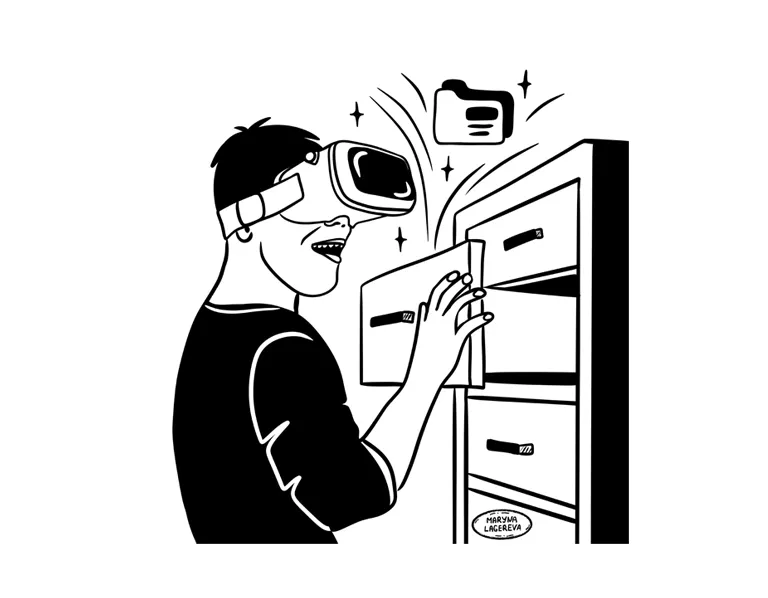
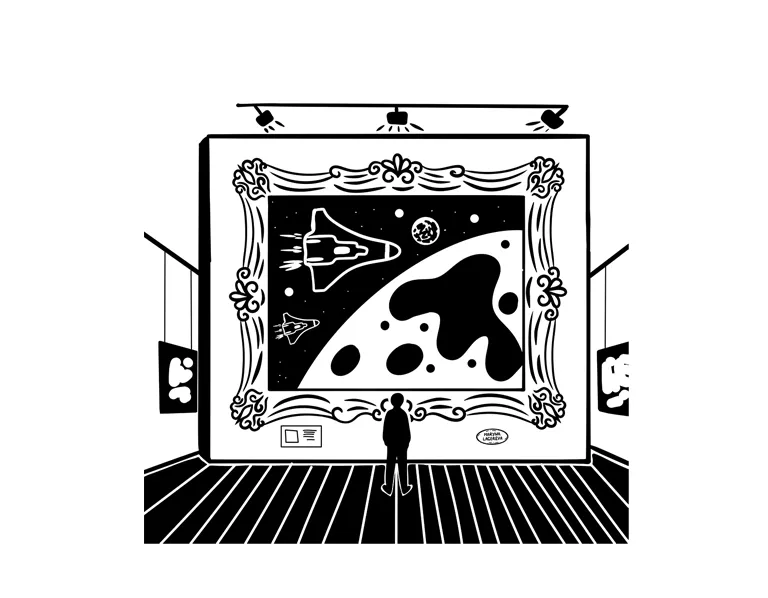
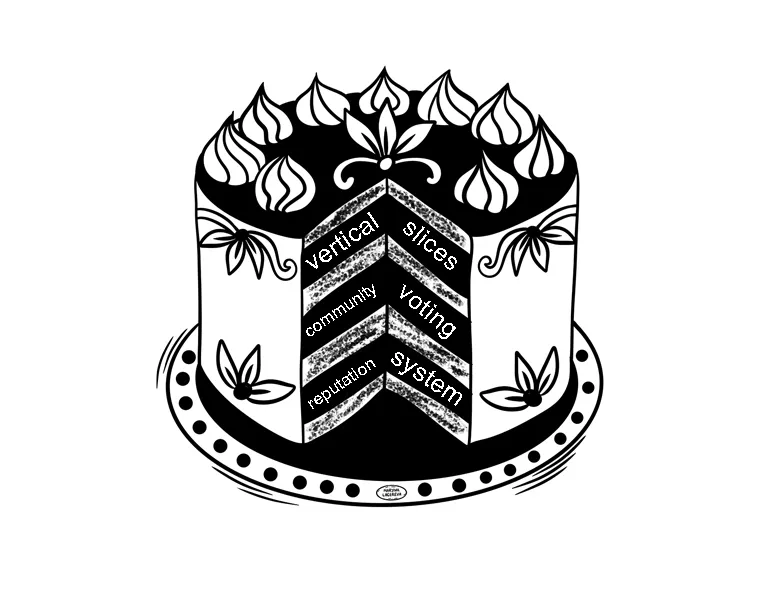
But the idea runs deeper than “try before you buy”. Think of all the games that started development and will never be seen by anyone: the demos, the prototypes, the vertical slices of projects that died before launch. Vertical Slices is a place for developers to put those playable slices, and for players to actually play them, whether the game ships next year or never.
Save it all, and make it playable.
Underneath the feedback loop sits the preservation mission. Once a slice is on the platform, it stays playable, even if the game itself never ships.
I am not asking for a seat in the studio. I am asking for the ten minutes that would have saved me a wishlist, and for the ten minutes from the project that never got a store page. Those are the same object, a build someone was proud enough to show.
Market & Opportunities
Steam Early Access and Kickstarter already let people pay to be in the room. This is a narrower room: a polished ten minutes, a vote, and an archive. Not a live service in progress. Not a trailer with a wishlist button.
The uploaders are indie teams and mid-sized studios who cannot buy a front page, and who would rather hear that the loop is wrong before they spend the next year on it. The players are people like me, who will give an evening to a slice if it might show the real game. Journalists and publishers can lurk. They are not the customer I would design for first.
I will not hang a two-hundred-billion-dollar industry figure on that. The relevant market is “games that die in a folder,” plus the smaller set of games that ship and needed a better ten minutes first.
Existing platforms will not do the archive part. When a Kickstarter fails or a studio closes, the build disappears. That disappearance is the gap.
This is not a way to democratize game development, and it is not a replacement for a publisher QA department. A public vote can tell you the loop is confusing. It cannot tell you how to ship. If a studio wants focus groups and NDAs, they already know how to buy those. What they cannot buy later is the slice they deleted.
Key Features
- A slice you can play. A build that shows the loop, the look, and a taste of the story. Not a trailer. Not a mood board. If it does not run, it does not list.
- A vote and a note after. Gameplay, feel, whether you would buy the rest. Short, structured, optional prose. Developers read the pile, not a comment war.
- Context, if the player offers it. Platform, a rough age range, how much they usually spend. Opt-in, aggregated, never a name next to a sentence. Signal, not surveillance.
- A reputation that opens doors. Players who write useful notes see more slices. Developers who ship honest builds get seen. Invite-only rooms exist for the projects that cannot take a public pile yet.
- The archive. A slice that lands here outlives the project. Studios close, funding dries up, a build gets left on a dead drive: the ten minutes still open. That is the part no storefront will do for you.
I would not launch with Steam buttons, influencer exclusives, or a suite of sentiment dashboards. Those are how a library of playable minutes becomes a marketing tool with a play button. The library comes first.
Monetization
Hosting playable builds is not free. A featured spot, labeled, can pay for some of that, as long as it cannot bury a quieter slice that people actually play.
Developers who want more than a listing (a private room, a longer life for a fat build, a thicker readout of the votes) can pay a hosting fee. I would not take a cut of a future game’s sales. That promise sounds aligned and collects nothing for years, if ever.
Hardware giveaways and publisher booths can wait. If the archive needs a patron, say so. Do not pretend a vote site prints money.
Next Steps: How I’d Build It
The wedge is not “another Early Access.” The wedge is a slice that still runs in five years. That is also the wall.
Start with one way to play, either a downloadable build for one desktop OS or a web build if the engine allows it, not both. A page, an upload, a play button, a three-question vote. Seed it with a handful of slices you have permission to keep, including at least one from a project that already died, so the archive is not a slogan.
Then the unglamorous work: storage, checksums, “this still launches,” and a rule for what happens when an exe needs a vanished middleware. Preservation is a museum job wearing a game-dev costume. If you cannot say how a 2024 build opens in 2029, you are building a launch pad, not an archive.
I would also decide, in writing, who may take a slice down. The developer, yes. A takedown notice, yes. A mood, no. An archive that evaporates when a studio gets shy is a trailer host. Say the rule before the first upload.
Do not ask players for a passport. Email is enough to play and comment. Trust accumulates. Full identity checks belong only on developers who receive money through the platform, if that day comes.
The first public week should feel slightly empty and slightly stubborn: a few slices, a vote, a promise that those files will still open next year. If you need a launch party to hide the emptiness, you launched too late or too wide.
Bonus: the abuse you can see from here
Fake reviews meant to sink a studio run into reputation, a report button, a human. Leaks from an unannounced project run into invite-only rooms and terms that say the slice is not a trailer you own. I would not promise cinematic watermarks you cannot staff.
Vote rings and spam listings are ordinary. Make uploading a slice slower than posting a link. IP theft is a fear every developer already has. Give them a plain page on what they are granting when they upload, and do not pretend the platform can sue the internet for them.
Closing
Vertical Slices keeps, on purpose, the ten minutes I never got to play, including those from games that never arrive. It is a living library of playable slices from projects that would otherwise disappear without a trace. If the first year only saves twenty builds, and five of them are from games that died, that year already did the job a storefront never will.
If you build this, I would love to see it, and to be an early tester. Playing slices and arguing about them is exactly my idea of a good time. Take it, rename it, change the model. You owe me nothing, just tell me how it goes.