This idea is one of my oldest, and it was invented uphill. In my lycée years, my ride home was a rural bus line with a timetable that treated my existence as optional. Some days there was simply no bus. Other days I would round the corner just in time to watch it pull away, and both cases ended the same way: several kilometers on foot, climbing, on the shoulder of a busy road, cars brushing past a teenager with a schoolbag.
I had a lot of time to think on those climbs, and what I thought about, mostly, was the parade of half-empty cars passing me, every single one going exactly where I was going.
That is the problem in one image. Rural mobility does not suffer from a shortage of vehicles, which are right there, streaming past the bus stop. It suffers from a shortage of coordination, plus the small social wall that keeps a soaked student from sticking out a thumb and a kind driver from stopping unprompted.
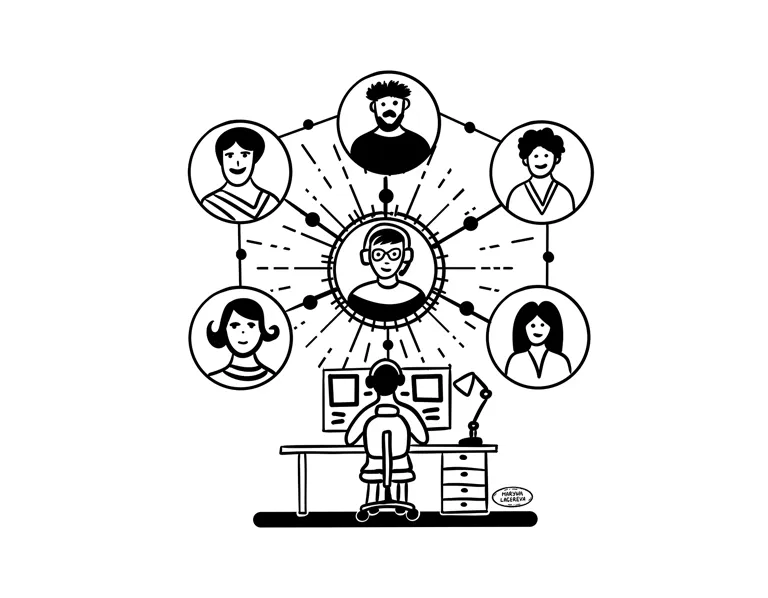
LastBus is the coordination layer, built on the bus stop, the one piece of infrastructure every countryside already has. When the timetable fails (no bus for two hours, a bus just missed, a line cancelled by snow), the stops on that stretch switch to pickup mode. Riders check in at a stop, and drivers who declared “I pass these stops anyway” get pinged. A small micro-payment covers costs. The app matches, the car pulls in where buses pull in, and nobody walks the hill.
The graveyard, and the three things it left unbuilt
Venture-backed microtransit is a field of headstones (Bridj’s American service, Chariot, Citymapper’s ride experiments, all gone), and the survivors like Via live by selling software to transit agencies, not rides to riders. France already runs transport à la demande in many regions, and, closest of all, Rézo Pouce organizes rural hitchhiking with designated roadside points. The space is not empty. So the question is what my uphill walks add, and I count three things.
First, the trigger. Everything existing is either scheduled in advance or always-on. Nobody exploits the sharpest signal in rural mobility, the real-time gap between the timetable and reality. “The 17:42 just passed” or “nothing until 19:15” is the moment demand exists, concentrated at known points, and it is computable from open transit data. LastBus is the bus network’s own exception handler, not an alternative to the bus.
Second, the stop itself. A bus stop is a Schelling point with a roof: known, mapped, lit, expected. Pickup at the stop removes the two hardest problems of ride-matching (where to meet, and whether stopping there is safe and legal), because the infrastructure already answers both. My old note said it plainly: show drivers the stops along the route they already drive, so riders know which stops are live.
Third, the micro-payment. Organized hitchhiking is free, and free carries a social debt that keeps half the potential riders walking. A euro or two, framed as shared costs, converts charity into a transaction light enough to accept and small enough to never feel like a fare.
The money is not revenue; it is social lubricant.
Key Features
- Pickup mode, driven by real timetables. Stops light up only when the schedule fails or gaps. The app watches the network’s own data; scarcity of the mode is what keeps drivers responsive when it matters.
- Declared routines, not dispatch. Drivers register the stretches they drive anyway, commutes, school runs, market days. A ping is an invitation, never a job. This is a neighbor slowing down, not a gig.
- Cost-share by design. Payments are capped at genuine cost sharing, the legal carpooling frame, with karma and community recognition carrying the rest of the reward.
- Verified both ways. Identity checks for drivers and riders, plate confirmation at pickup, live trip sharing with a contact. The stop is public; the car must be accountable.
- Comfort filters, handled honestly. Riders can express preferences, including riding with a driver of the same gender, a real and legitimate safety instinct, especially on empty roads at night. The legal footing of strict gender matching varies by country, so the design treats it as a preference the matcher honors when it can, inside whatever the local law allows, rather than a promise.
- The minor problem, faced. My founding user was fifteen. An app that puts minors in strangers’ cars is the hardest version of this product, and the answer is staged: adults first; minors only later, through family-linked accounts and a vetted circle of community drivers, the digital version of the parent network that already informally ferries kids around every rural town. The teenager who invented LastBus could not have legally used version one, and the article owes him that admission.
The honest core: my favorite feature is the illegal one
My original notes included a rush mode, an auction where a stranded rider posts a price and drivers bid. I still love it, and it cannot exist, at least not between private individuals. The line in most countries, France included, is sharp. Share costs and you are carpooling. Make a profit and you are an unlicensed taxi. The auction crosses the line the moment it works.
So the design splits in two. Between individuals, LastBus stays strictly inside the cost-sharing exemption (the BlaBlaCar precedent), small, capped, boring, legal. And the rush auction survives in the only place it can: the business-to-government version, where the transit authority, not the rider, pays drivers a bounty to absorb a cancelled line or a snow day. The authority already pays for service it fails to deliver, and LastBus just lets it buy the exception from the people already driving there. That, not rider fees, is also where the revenue lives. Sell the exception handler to the operators whose timetables create the exceptions.
Next Steps: How I’d Build It
One valley, one line, one winter. Partner with the local transit authority from day one, not for permission but for data and legitimacy. They know where their timetable fails, and a pilot branded with the network’s own colors turns “get in a stranger’s car” into “the bus network’s backup plan,” which is the entire trust battle won in one move. Seed the driver side through the commuters who already drive that road daily, and measure one number: walks avoided.
The MVP needs embarrassingly little technology (open transit data, a check-in, a ping, a payment cap), because the product is the agreement between a timetable, a bus stop, and the half-empty cars already passing it, not the app.
Closing
LastBus finally gives the parade of cars that streamed past my soaked teenage self a reason to stop, at the stop, when the bus does not come. It took me years to see that the infrastructure was already built and only the coordination was missing.
If you build this, tell me, and start with a hill. Somewhere on it, right now, there is a kid with a schoolbag doing the walk I did, counting the cars going exactly where they are going.