Corruption and rampant selfishness seem to be everywhere. We see it when people or companies are willing to destroy natural resources, pollute rivers, or exploit others, all for their own profit. It is often about short-term gains, and the harm lands on specific groups of people, sometimes on entire regions, countries, or humanity as a whole.
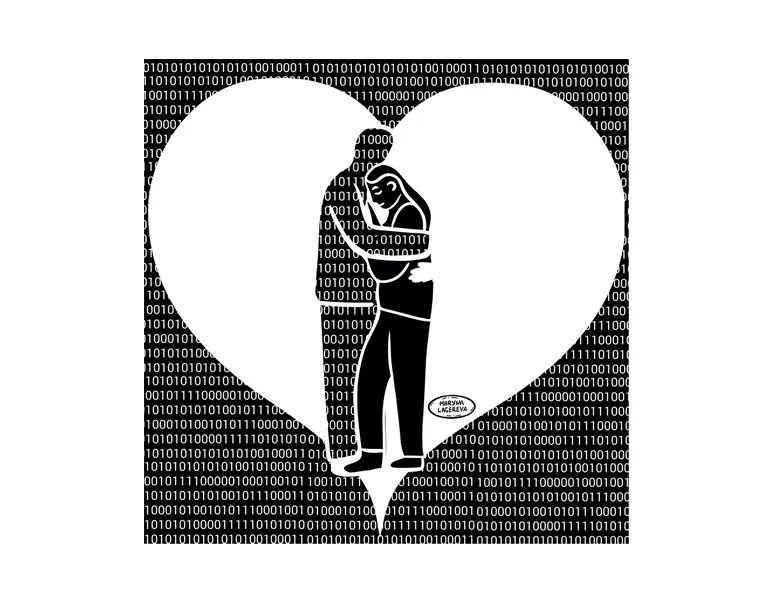
We might have hoped that technology, and artificial intelligence in particular, would help us get past this. An impartial system that makes rational decisions, free from human bias, sounds ideal.
AI, however powerful it gets, is not the savior we hoped for. It is trained on our behavior and our data, and it carries the same biases and flaws we do.
It can also argue better than we do, under one condition. In a study published in Nature Human Behaviour in May 2025, GPT-4 debating strangers online came out more persuasive than the human opponent in 64.4% of the pairings where the two differed, but only when it had been handed basic demographic details about the person it was arguing with. Stripped of that personalization, it persuaded no better than we do. The machine on its own does not out-argue us. The machine that knows who you are does.
Now take a system carrying human biases and give it that advantage at scale, convincing millions of people that those biases are facts. That’s nightmare fuel for everyone not behind the algorithm.
Given these limits, the fix has to go past technology, to the root of the problem, which is human integrity.
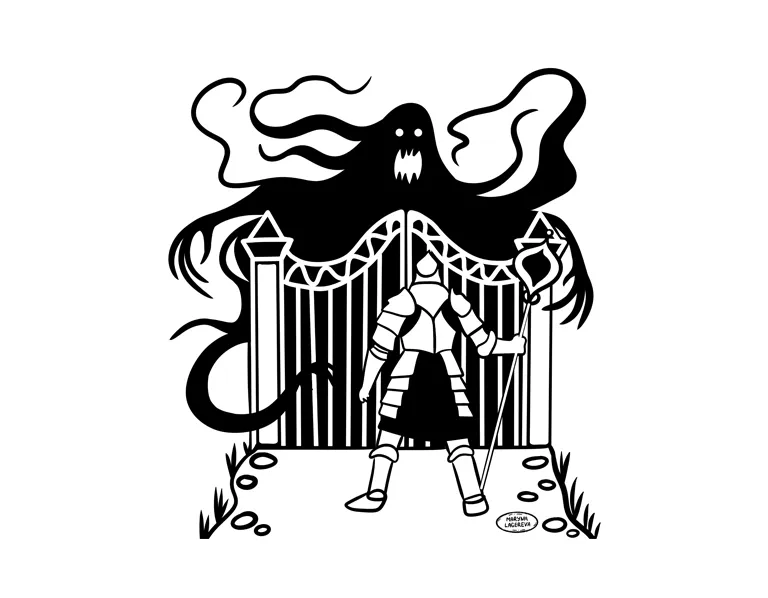
What if we created a role in society for people with an incorruptible moral compass? Call them “guardians of virtue”, people whose integrity cannot be moved by money, power, or influence. Their job would be to oversee decisions in the industries and organizations that matter most, and to check that the big choices serve the common good.
Guardians of Virtue: A New Kind of Leadership
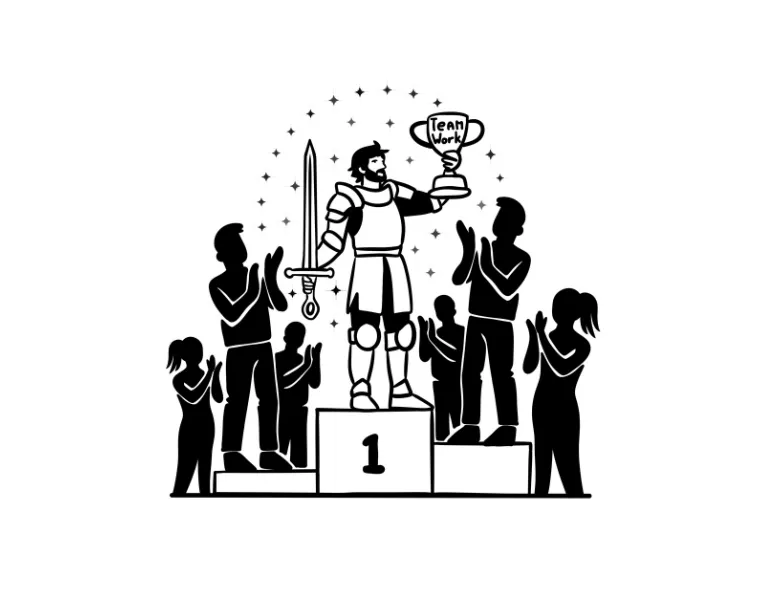
The idea may sound old-fashioned, like something from the days when knights swore oaths to defend the helpless and uphold justice. We may need a modern version of those knights. They would be chosen by the opposite of the usual criteria. Wealth, status, and connections would count for nothing, and moral integrity for everything. These would be people with a proven record of honesty and fairness, who do what is right whatever pressure they are under.
The guardians would oversee decisions in high-stakes fields such as environmental protection, weapons development, and social policy, where selfish decisions can do devastating damage. There they would be gatekeepers. Each major decision would be judged by what it does to humanity as a whole, and not by what it does for a few.
They would not hold absolute power. Think of them as a moral checkpoint. They would not replace CEOs, political leaders, or regulators, but they would have the authority to question a decision that threatens the collective good and, if needed, block it. Every position they took would come with a clear, detailed explanation, published for anyone to check.
The concept sounds radical, but it has precedents. Whistleblowers have shown that some people will still risk everything to uphold moral values.
Edward Snowden is often cited as an example. By exposing governmental overreach, he showed a deep commitment to transparency and accountability, and he paid a huge personal price for it. He is also deeply polarizing. Some see a hero who defended civil liberties, others a traitor who compromised national security.
The split itself shows how hard ethical calls are. Integrity is not always recognized or celebrated. We still need people who put the public good first when it costs them dearly, who can think their way through a hard moral dilemma and, when they must, stand up to the powerful.
Now imagine giving such people the tools and the authority to protect humanity’s interests where the biggest decisions are made. The guardians would live by the values we say we care about as a society: honesty, justice, and the protection of future generations.
Why AI Alone Cannot Save Us
As AI improved, many people believed it could fix the corruption and self-interest in how we make decisions. The reasoning was simple. A system that never gets tired, never craves power, and never gives in to greed would make an ideal referee for big decisions. Real AI is nowhere near that.
For now, AI systems reflect us. They are trained on data from our world, and that data carries our biases, prejudices, and mistakes. As a result, these systems often repeat those biases, and even reinforce them. We have seen AI behave in discriminatory ways, not because it “chose” to, but because it learned from biased data.
Then there is the influence of mega-corporations that have enormous power over our future. They often put profit before ethics, and their decisions can deeply affect society. AI can be very persuasive, so we have to ask who is behind the curtain. Which corporate agendas ride on AI’s recommendations? If we let technology set our direction with no ethical oversight, we may end up with a future run on self-interest.
The loop that closes on itself
- A leading AI executive gathers biased data.
- The data is used to train an AI.
- The AI works under the influence of those biases.
- Its recommendations guide decision-makers.
- The decision-makers act on those recommendations.
- Their actions reinforce the biases that shaped the AI.
- The AI keeps learning from decisions made on its own advice, and the loop closes. Each cycle amplifies the biases and pulls society further from ethical judgment.
This is where the guardians come in. AI can process huge amounts of information, but it has no moral compass. Decisions about our society’s future need a final call from people with firm ethical convictions. The guardians would work alongside AI and add human judgment, guided by values instead of algorithms.
AI can assist. It cannot replace moral discernment, which only humans have. The guardians would keep AI a tool for good and stop it from amplifying the worst of human nature.
The Need for Change: Creating a New Framework
Our current systems have let corruption and self-interest creep in. We need a new framework.
It would start with carefully choosing people who hold themselves to the highest ethical standards. The vetting would be as rigorous as for senior posts in government or large companies, with moral integrity as the first criterion. Candidates would have to prove their commitment to ethical principles, and show they can handle the hard moral dilemmas the job would throw at them.
They would also need the tools for the job: open access to information, a platform to raise concerns, and the authority to challenge decisions that could cause harm. Part of the role would be building a culture of integrity inside the organizations they oversee, so that other people put ethics first in their own work.
I can already hear the obvious objection. An unelected group with moral authority sounds uncomfortably close to the governance models we usually warn each other about, a select elite deciding what is good for everyone. History is full of people who concentrated power in the name of virtue, and it rarely ended well. The objection is fair, and the answer has to be part of the framework itself, not a footnote.
That’s why the guardians could never hold unchecked power. Their role is a moral checkpoint, not a throne. They would be held to the standards they enforce, with regular public scrutiny, oversight by independent bodies, and a clear, evidence-based justification for every action they take. Their decisions would remain open to challenge. The point is to strengthen democratic processes, not to replace them, by adding moral integrity to decisions with far-reaching consequences.
A guardian who starts ruling instead of guarding has already failed the job description.
Last, the guardians would need public support. A society that values moral leadership can shift its norms toward accountability and transparency. We would have to celebrate the people who stand up to corruption and speak for the common good, the way we honor whistleblowers today.
A Call for Collective Reflection
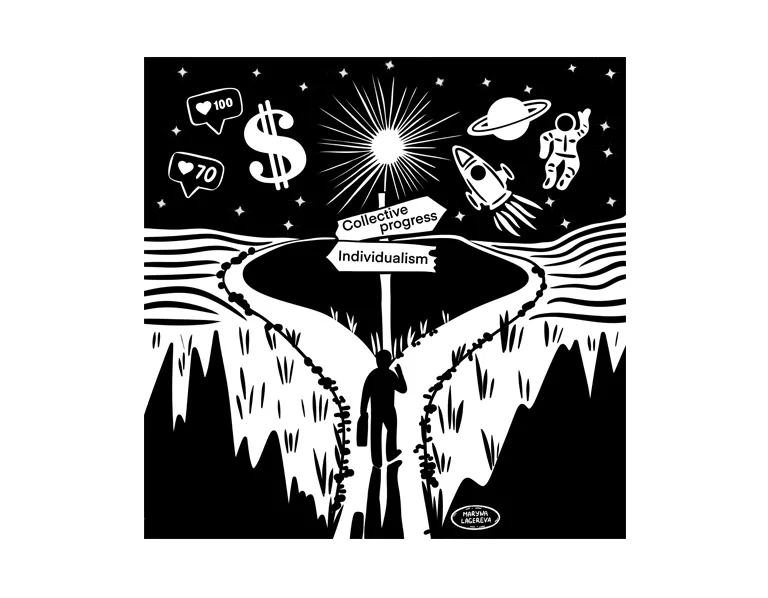
Better systems are only half of it. The other half is living up to the values we claim to hold. The guardians are not a way to hand our trust to a select few. The idea behind them is that every level of society needs ethical leadership.
How do we make sure the decisions that shape our future rest on integrity and transparency? How do we, as individuals and communities, build a culture that puts the common good ahead of self-interest? These are practical questions, not just a philosophical exercise.
The answers may not be easy, but the conversation has to start now. Perhaps it is time to rethink who leads, and what we mean by leadership in the first place.