My mother lives with several health problems, and one of them is her hearing. What that means in practice is not what people imagine when they hear the word. It is not silence. It is noise without hierarchy. At a family dinner every voice, every fork, every chair leg arrives at the same rank, and the one voice she is trying to follow, a grandchild’s story, a question addressed to her, drowns in the middle of it. What she has lost is not so much volume as separation, the ability to choose one sound and let the rest recede, which every healthy ear performs without thinking.
So I have carried a dream for years, long before I could name the technology it would need. I dreamed of building her an ear that could choose. Point it at one precise sound, her name in a crowded room, one voice at a full table, and let everything else fall away. Not louder. Sorted. In mixing-board terms, not a volume knob at all but a solo button, for the one channel that matters.
One evening in early 2024 I dictated a version of this dream into an AI, half expecting to be told it was science fiction. The answer, roughly, was: not quite, not yet. And in the time since, “not yet” has been getting uncomfortably close to “soon.”
The mixing board is being built
Understand what the dream actually asks for, because it is not what hearing technology has historically offered. Hearing aids amplify, magnificently better every decade, but amplification raises the whole mix, the voice and the forks and the chairs together. That is exactly my mother’s problem, restated at higher volume. Noise cancelling, at the other end, is a wall. It subtracts everything, then pipes back whatever the manufacturer decides transparency should sound like. The dream is neither. The dream is a mixing board, with reality arriving as separate channels and a hand, hers, on the faders.
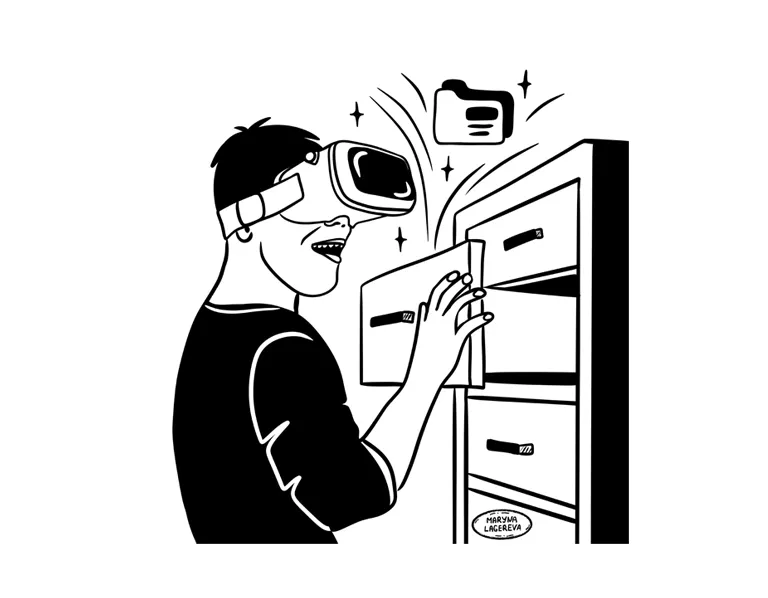
The pieces are appearing in public. Consumer earbuds already do adaptive transparency, softening harsh spikes while letting speech through, and can tune their passthrough to a personal hearing profile, a primitive fader in disguise. And in research labs, the real thing has been demonstrated. The prototypes, headphones their creators call semantic hearing and target speech hearing, classify the soundscape in real time (this texture is rain, that envelope is a voice) and isolate the one source you choose, in some demos simply by looking at the person you want to hear. What the dream needed was a real-time sorting algorithm for sound, and the sorting algorithm now exists in embryo.
There is no exotic physics ahead, only engineering: better models, lower latency, longer batteries. That is why the dream deserves to be taken seriously as a question rather than a gadget. The force-field essay elsewhere on this site ends by noticing that big dreams tend to arrive as modest reflexes we can actually build. This is the auditory version, and it is closer than the shield.
The mercy of it
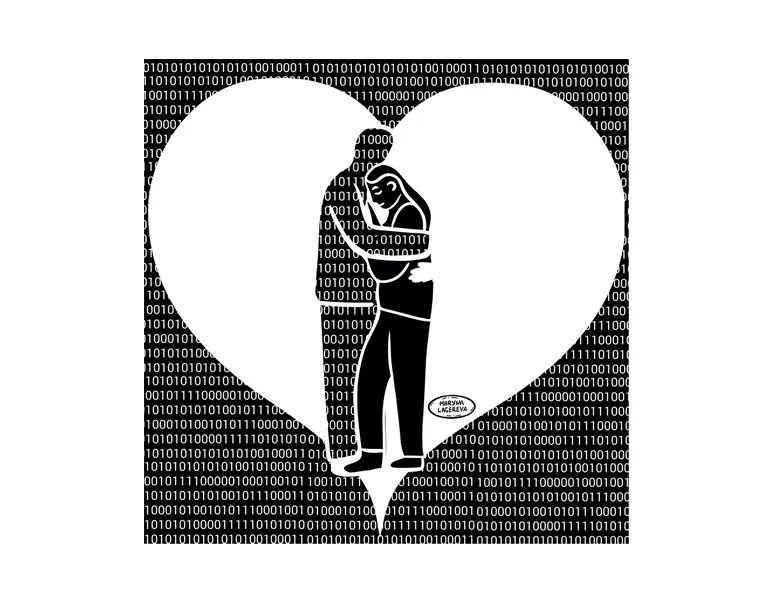
Start with my mother, because she is the point. For her, and for the enormous population like her, this technology is not comfort but access, the difference between attending a family dinner and enduring one, between asking people to repeat themselves until she stops asking, and simply hearing the person she came to hear. Hearing loss quietly severs people from conversation first, then, too often, from company itself. Audiologists have warned for years about the isolation that follows. A selective ear does not cure anything, and this essay makes no medical claims. It restores something more social than clinical: her place at the table.
The mercy generalizes. For those with misophonia, for many autistic people, for anyone whose nervous system treats certain ordinary sounds as sirens, the world is currently take-it-or-leave-it. Endure the assault, or withdraw behind total isolation. A selective ear is a third option that has never existed, removing the one sound that makes the room unbearable instead of fleeing the room. And yes, beyond access there is ordinary relief, the version of this dream everyone recognizes. The neighbor’s drill through the wall slides to nothing, while the birds stay where they are. I want that too. But I want it the way you want dessert, and I want my mother’s solo button the way you want medicine.
The vertigo of it
Now turn the same knob the other way, and feel it, because an editable soundscape edits more than drills.
If I can mute a drill, I can mute the drilling neighbor when he says hello. The gadget joke, mute your spouse, stops being a joke the day it ships. We will be able to delete people, selectively, politely, undetectably, while nodding along. Sound is how the world interrupts us, and interruption is not always an attack. Sometimes it is the alarm, the cry from the next street, the protest passing under the window precisely because it wants to be heard by people who would rather not. An editable soundscape is also a machine for never being reachable by anything you did not subscribe to.
And someone will own the filter. The fader board is software, and software has owners, defaults, and business models. Picture sponsored sounds whitelisted into your transparency, or the store jingle your earbuds helpfully classify as ambient information. A filter you do not fully control is someone else’s editorial line running between the world and your ears. We spent two decades learning what feed algorithms did to what we read. This is the same question, moved into the skull’s last unmediated channel, and it deserves the lessons of that era built in from the start: filters legible and owned by the wearer, some sounds constitutionally unmutable (the siren, the scream, the smoke alarm), and a design bias toward the world rather than away from it.
I hold both truths at once, and the tension does not resolve. The same algorithm that could hand my mother back a conversation could hand the rest of us a deafness we chose. Most powerful accessibility technology carries this double edge. The answer has never been to withhold the mercy, but to build the mercy first and the mute list with humility.
What I actually want
I want the version that exists for her. The solo button, not the lifestyle gadget, though it will come wrapped as one. I want to sit at a loud family table and watch my mother lean toward a grandchild’s story and simply receive it, whole, first try, while the forks and the chairs and the rest of us blur into background where we belong. People who have never lost separation do not know what a luxury it is to choose a sound. She knows. I have watched her know it for years.
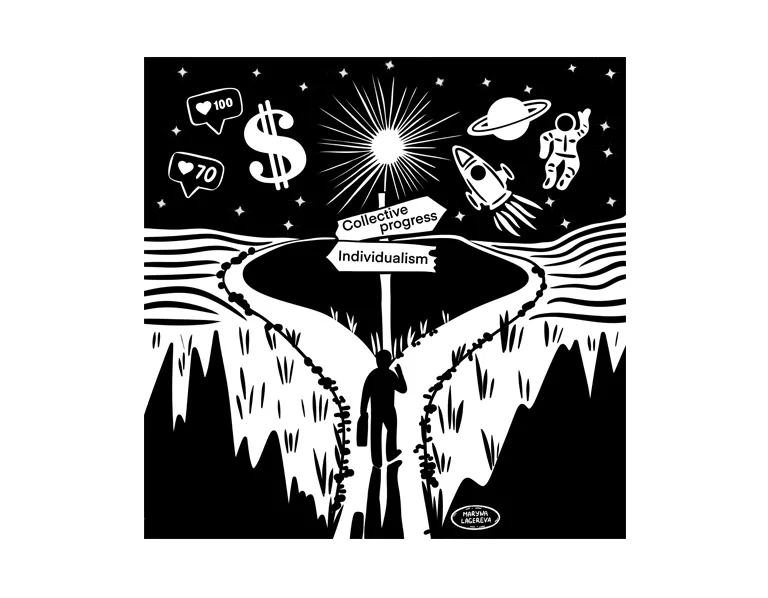
So I leave this one with you as a question, in the house style, but it is really two questions now. When the volume knob for reality arrives, and it will, sooner than the shield, what is on your mute list, and what would you keep at full volume out of duty to the street you live on? And the second, the one I care about: who are you building it for first, the annoyed, or the ones like my mother, who are not asking to turn the world down at all, just asking to hear one voice in it again?