I am not a semi-professional athlete myself, but through friends I know several people who are. They are good enough to compete, good enough to coach anyone I know, and yet outside the handful of big competitions with real prize money, most of them struggle to make their sport pay. Meanwhile plenty of us would love a real trainer nearby, someone who has actually competed, not another app spitting out a generic workout plan. The two problems looked like they solved each other.
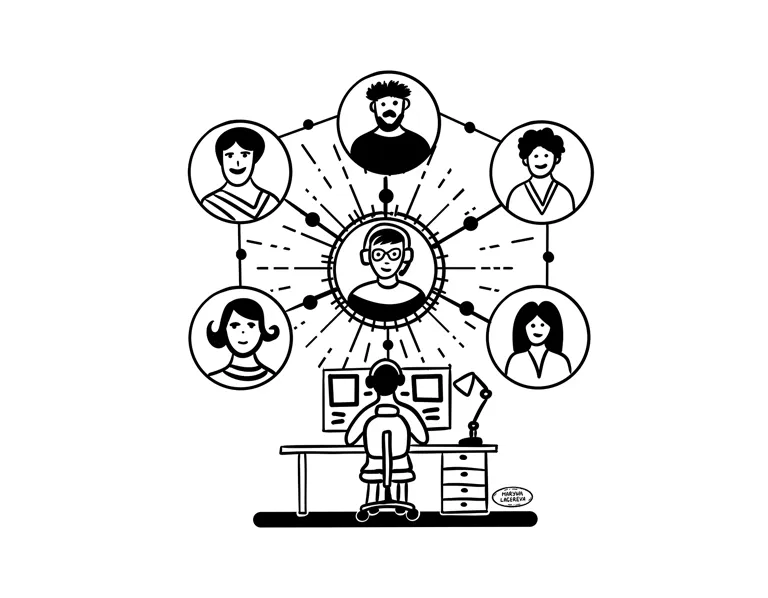
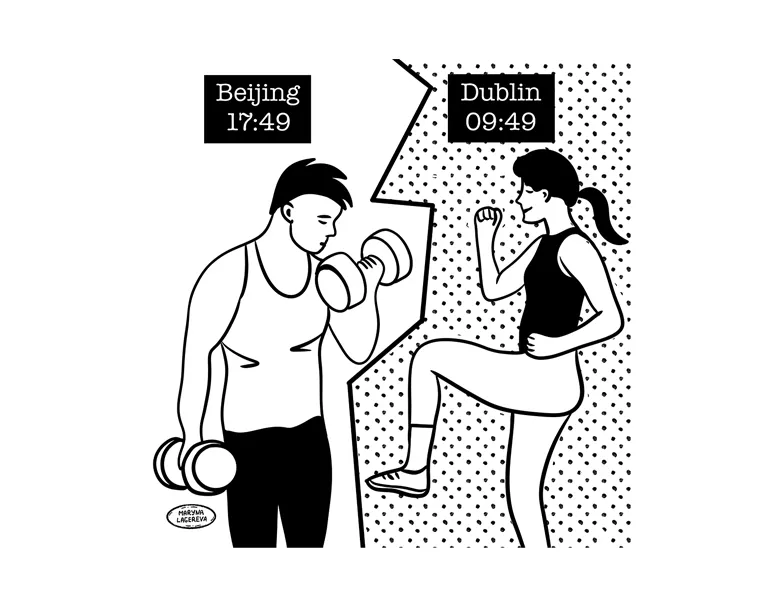
PlayPro Connect started there. It is a platform that lets semi-professional athletes earn a living by coaching the rest of us, in person at a local park or over a live video session from anywhere. Athletes get a flexible income stream and keep a foot in the game they love, and everyday sports lovers get access to people who have really done it. And around the training, a community forms, which is the part I care about most. A coach you book once is a transaction. A coach you see on Saturdays, with two other people from the same park, is the reason the idea is not just another marketplace.
Market & Opportunities
Semi-pro careers are short, and income often drops when they end. I would rather not lean on a single tidy statistic I cannot source, but the need for a second income is real. On the other side, people are tired of a plan that does not know their park, their knees, or the fact that they would rather train with a person than with a video.
Hybrid sessions (a park on Tuesday, a call on Thursday) are now ordinary. Group sessions are how a booking becomes a habit. PlayPro sits at that intersection: athletes who need the money, people who want a coach who has competed, and a map that puts them in the same place. I would start in one city. A global fitness figure will not tell you whether ten coaches there can fill a Saturday. If they cannot, twenty cities will not save you. If they can, the second city is a copy with new insurance paperwork, not a new product.
Key Features
- A map of people, not of gyms. Nearby coaches and open sessions, the way a dating app shows who is actually around. Distance is the product.
- Book a session, pay once. Individual or group, in person or on a call. Stripe or the equivalent. Move it, cancel it, do not invent a new checkout.
- A review after every session. This is not a nice-to-have. It is how a stranger becomes someone you will meet in a park.
- A reminder that you are going. Confirmations, changes, a last-minute open slot. The community side lives here: pickup games, not a content feed.
- Events you can actually join. Local sessions with spots left. The mechanic that makes those work is not the map.
One mechanic deserves its own paragraph: the commitment deposit. The plague of games between strangers is the no-show, the missing fifth player who kills the match for everyone who came. So joining an open spot requires a small refundable deposit. Show up and it comes straight back. Ghost the game and it goes to the players you left hanging, a small consolation with a strong incentive attached.
And for genuine emergencies, mercy stays human. Three attendees can jointly approve an exceptional refund. Simple, self-policing, and it turns “I’ll try to come” into “I’ll be there.”
I would not launch with voice commands, a swipe-deck of coaches, or a merchandise shop. Those are how a booking tool becomes a fitness brand. Get ten athletes paid first.
Monetization
A commission on each booked session is the engine. It scales with use and does not ask anyone to pay rent before they have trained.
A membership can unlock priority with the coaches who fill up, and a cleaner path into the better events. Exclusive tournaments can come later, as a community thing that also pays, not as a media product.
Sponsored listings and branded merch can wait. If the take-rate starts to feel like a tax on a park session, you have lost the part I care about.
Next Steps: How I’d Build It
Do not start with the app. Start with ten athletes in one city and a shared calendar. Recruit them by hand, help them fill their first sessions, and learn what actually blocks a booking. The software (profiles, map, Stripe, reviews) only deserves to be built once those ten athletes are earning.
Then onboard both sides deliberately: coaches get trained on the platform and the community rules, users get a short tour of how to find, book, and rate a session. Launch city by city, not everywhere at once. The first region is your feedback machine.
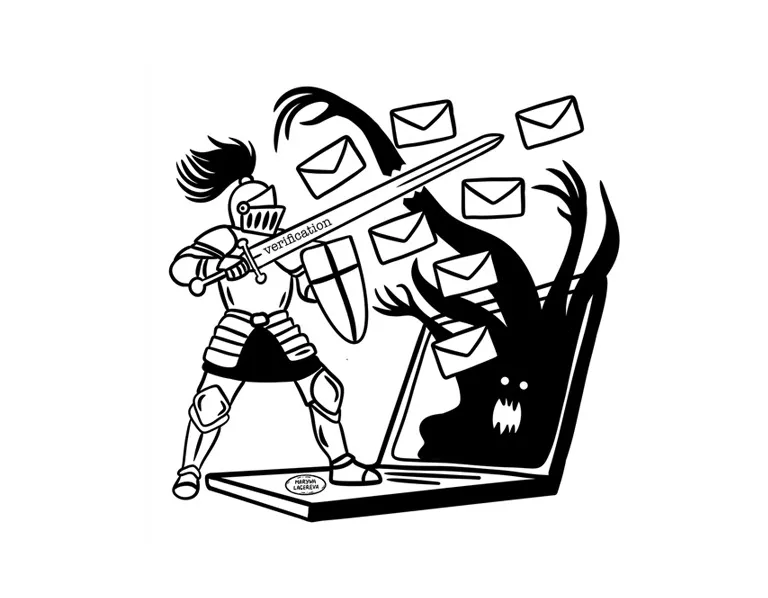
Three things will be harder than the app itself. Verifying that coaches are who they claim to be takes real work, not just a badge on a profile. Insurance and liability need an answer before the first session. If someone gets injured training with a coach they found on your platform, who is responsible? And paid sports coaching is regulated differently from country to country. In some places it legally requires a certified diploma, so the groundwork has to be done market by market. None of this kills the idea, but none of it can be skipped.
The pieces already exist: a booking flow, a map, Stripe, a review system. I would write the liability answer before I write the map. A pretty booking flow with no insurance story is how you meet a lawyer. The first city also tells you whether coaches will accept a deposit culture, or whether they would rather keep no-shows as “part of the sport.” If they will not enforce the deposit, the pickup games will die the way pickup games always die.
The hard parts are trust and safety, not the tech.
Bonus: strangers, parks, and harm
A platform that puts strangers in a park for physical training will attract the obvious misuse. Clear rules against harassment, a report button that reaches a person, and verification that is real enough to slow a fake coach down. Monitoring slogans will not do that job. The deposit already does part of it for no-shows. The rest is human moderation, budgeted before launch.
Closing
PlayPro Connect uses a map to put athletes who need the income in the same park as people who want a coach who has actually competed.
This is not a generic fitness app with a coach skin, and it is not a dating app for sport. If the first version cannot get ten real sessions on a calendar in one city, the map was decoration. I would rather that ugly calendar than a beautiful empty feed.
I would put the deposit on the first pickup game, not as a later optimization. If people refuse to pay a few euros to hold a spot, you have learned something cheap. If they pay and show up, the community I care about has started, even before the map looks like a product.
If you take it further, or figure out the reason it does not work, I would love to hear about it. Build it, you owe me nothing, just tell me how it goes.